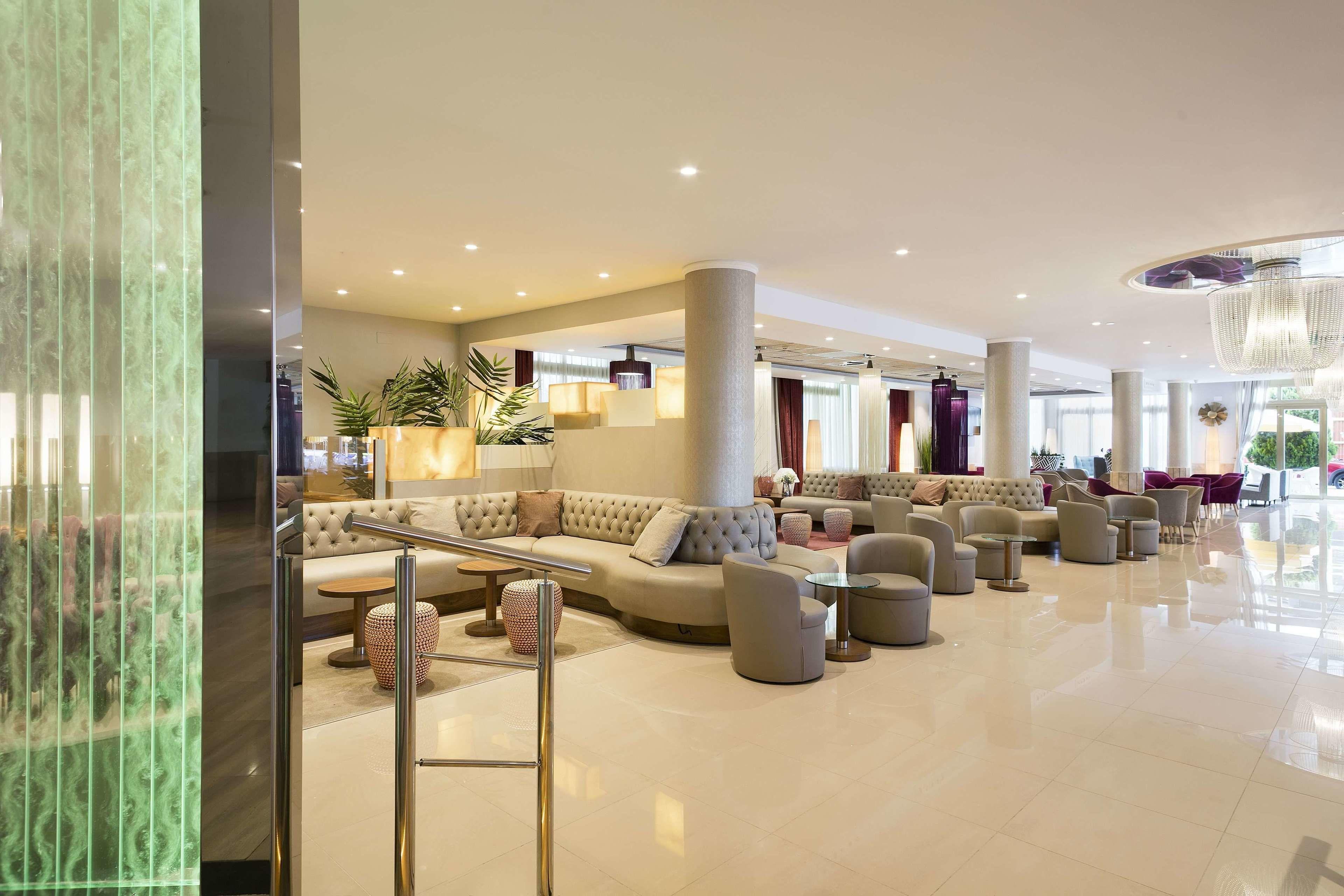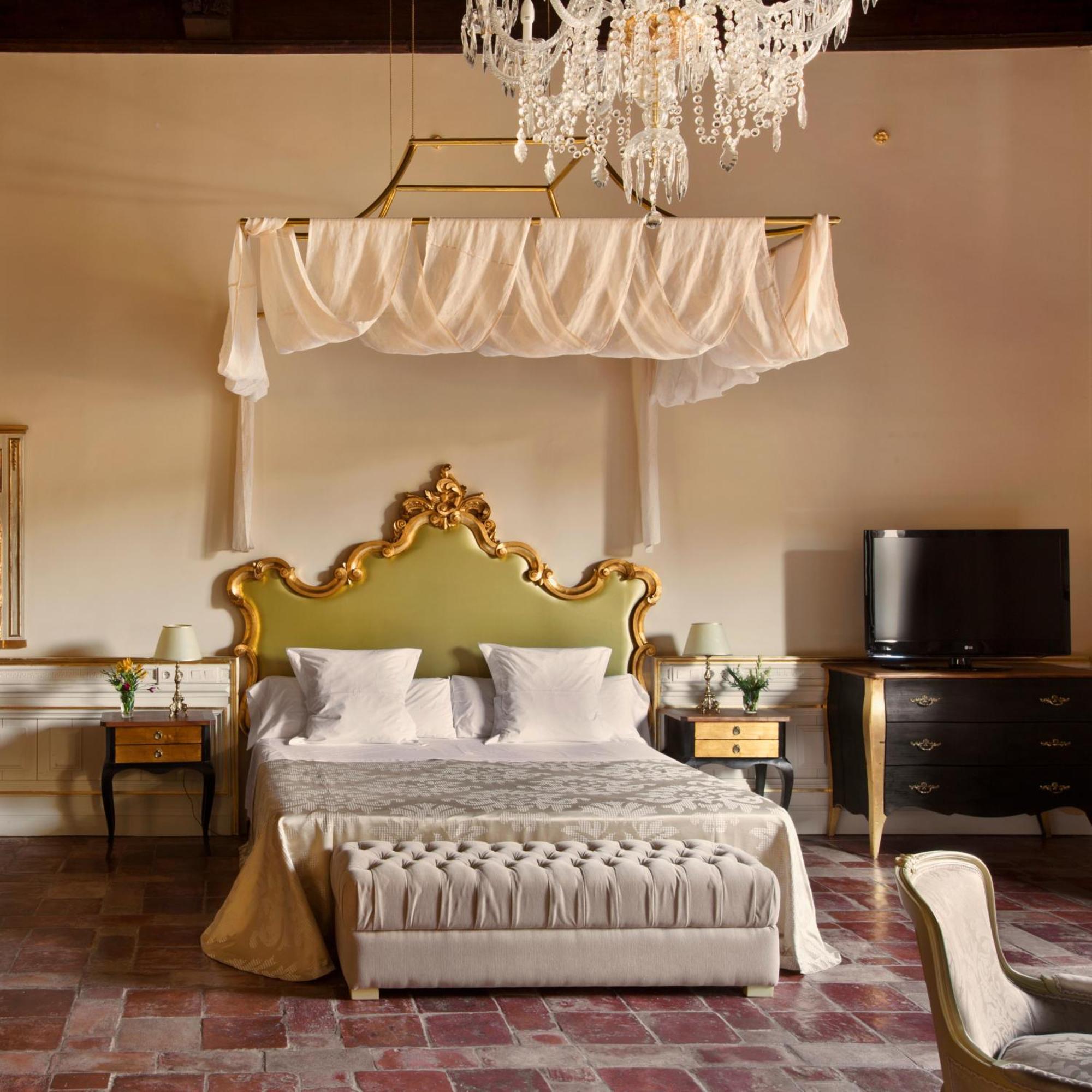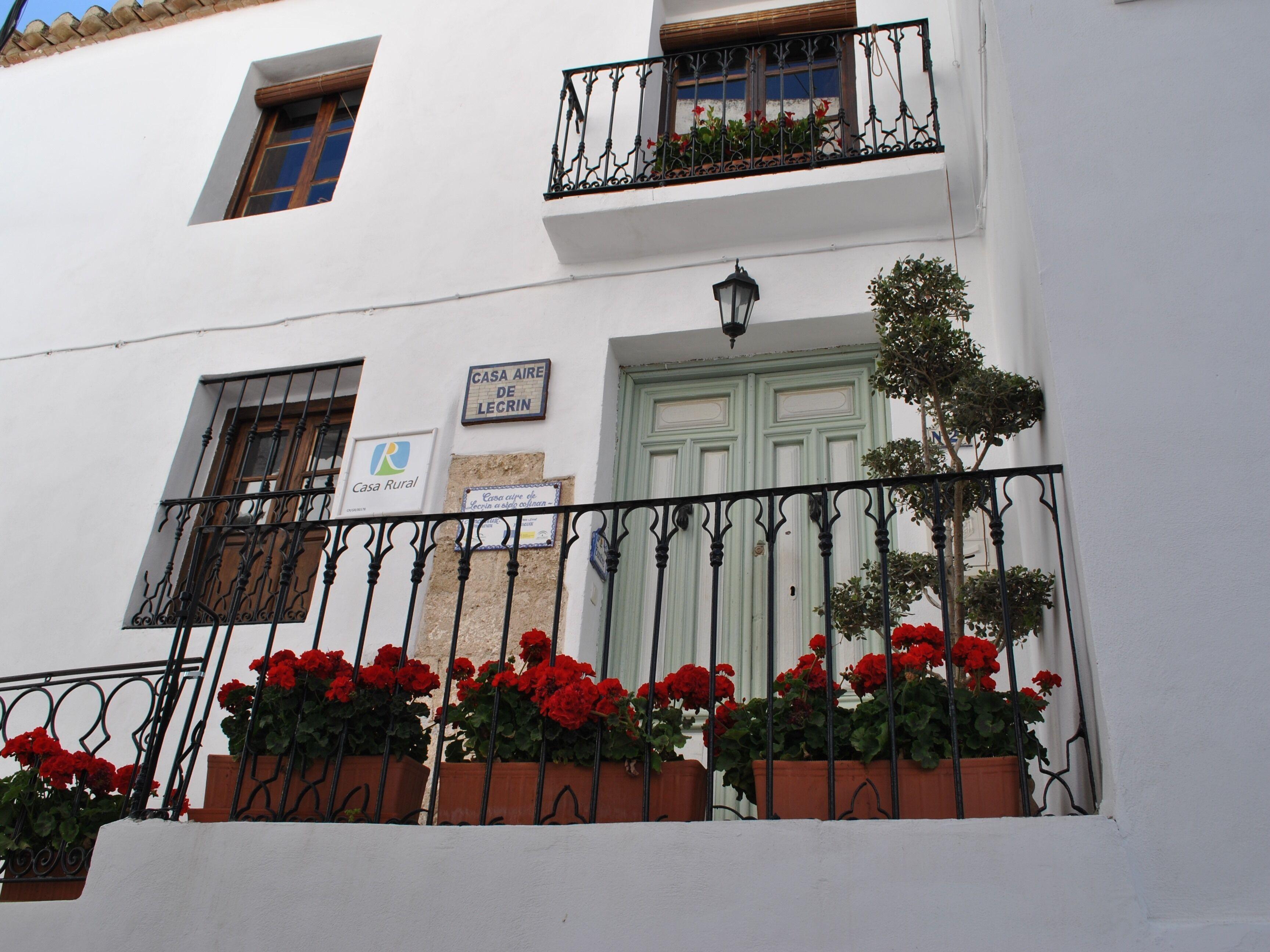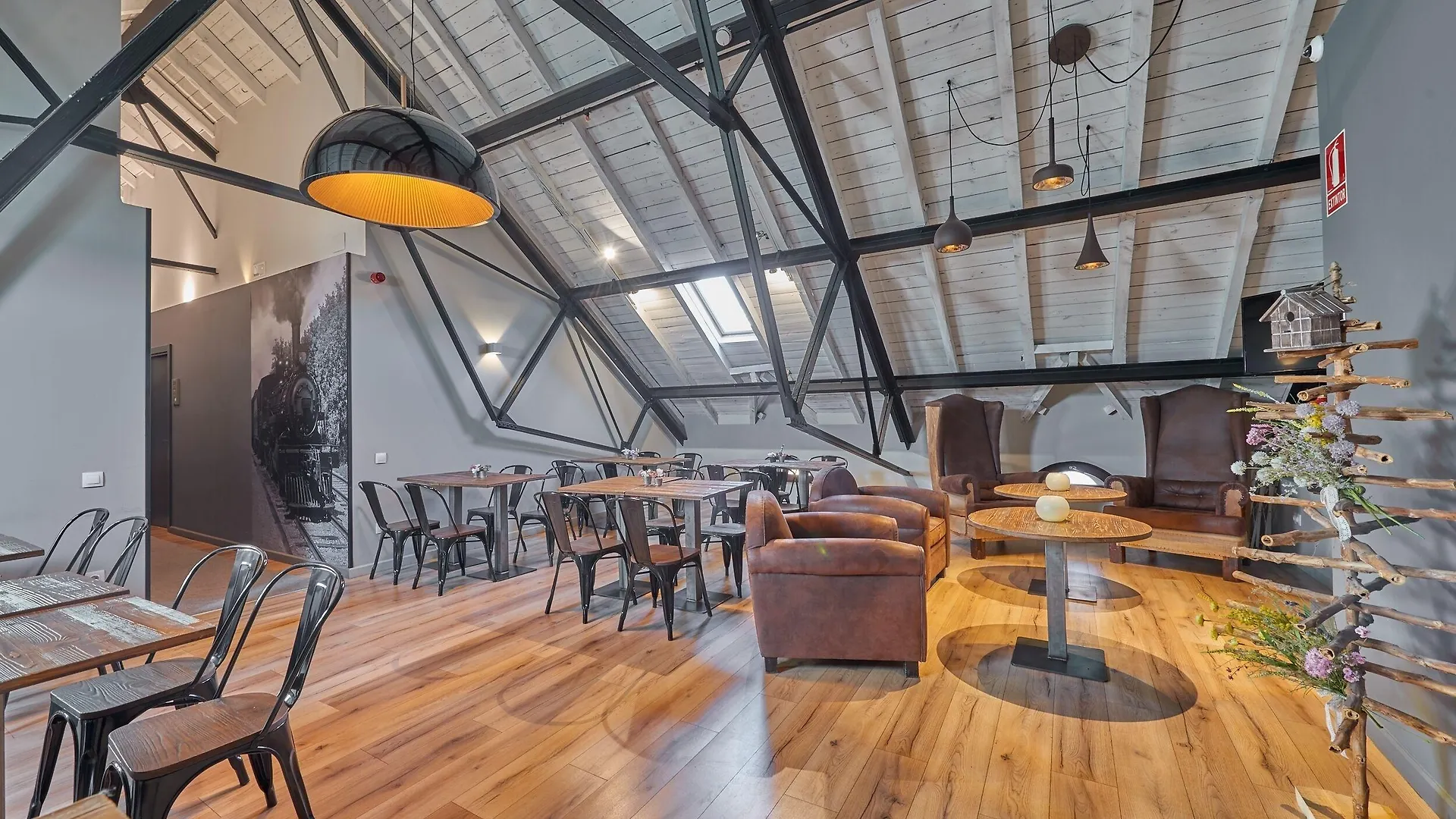
The Province of Girona spans one of Catalonia's most geographically diverse territories - from the ski slopes of the Pyrenees in Puigcerdà and Masella to the rugged Costa Brava coastline of Sant Feliu de Guixols and L'Escala, and inland medieval villages like Monells near the Gavarres foothills. Choosing a centrally located hotel here means prioritizing access to the specific zone you plan to explore, whether that's mountain trails, beach coves, or Dalí's artistic legacy in Figueres. This guide breaks down five well-positioned hotels across the province to help you make the smartest booking decision based on location, value, and what each property actually delivers.
What It's Like Staying in Province of Girona
Province of Girona is not a single destination - it is a province of distinct micro-regions, each requiring a different base strategy. The Costa Brava draws the bulk of summer visitors, with beach towns like L'Escala and Sant Feliu de Guixols filling up rapidly between June and August, while Pyrenean towns like Puigcerdà attract winter skiers and summer hikers in equally intense waves. Public transport between zones is limited, which means most visitors rely on a rental car - a factor that dramatically changes how central your hotel actually feels. Inland villages such as Monells offer genuine tranquility and proximity to Girona city, yet they require driving for most activities. The province rewards travelers who plan their base deliberately rather than picking a hotel purely by star rating.
Pros:
- Exceptional geographic variety - mountains, coast, and medieval countryside within one province
- Strong culinary identity with local markets, seafood in coastal towns, and Catalan mountain cuisine
- Year-round appeal: skiing in winter, beaches in summer, hiking and cycling in spring and autumn
Cons:
- Limited intercity public transport makes a rental car almost essential for province-wide exploration
- Peak summer prices in coastal towns spike sharply, with accommodation around 40% pricier than inland options
- Some rural and mountain areas have limited dining and services outside of hotel-provided meals
Why Choose Central Hotels in Province of Girona
Central hotels in Province of Girona - meaning properties positioned close to key attractions, transport access points, or the heart of their local town - offer a meaningful logistical advantage in a region where distances between sights can be deceptive. Unlike isolated rural retreats, centrally located hotels here allow guests to walk to beaches, ski lifts, medieval centers, or main roads without depending entirely on taxis. Room sizes in centrally positioned properties tend to be smaller than resort-style hotels, but the trade-off is direct access to local life, restaurants, and services. In coastal towns, central positioning can save up to 20 minutes of daily commuting per beach visit, which matters when you're navigating summer traffic on the C-31 or C-32 roads. For families, couples, and solo travelers alike, choosing a well-located base over a cheaper peripheral option often results in a more time-efficient and lower-stress trip.
Pros:
- Walking access to beaches, ski slopes, or town centers depending on the chosen base
- Better integration with local restaurants, shops, and transport links
- Easier day-trip logistics to Girona city, Figueres, or the Alt Empordà wine region
Cons:
- Central coastal hotels fill up weeks in advance during July and August - early booking is essential
- Street noise and foot traffic can affect sleep quality in busier town-center properties
- Parking may be limited or charged separately in urban or cliff-top hotel locations
Practical Booking & Area Strategy for Province of Girona
Province of Girona divides naturally into three booking zones: the Pyrenean mountain corridor anchored by Puigcerdà and Masella, the Costa Brava coastal strip running from L'Escala down through Sant Feliu de Guixols, and the inland Empordà countryside around Monells and the Gavarres. For ski-focused trips, Puigcerdà is the most connected mountain town, sitting on the N-260 road and linked by train to Barcelona's Sants station - a journey of around 3 hours. Coastal travelers should note that L'Escala provides access to the Greco-Roman ruins of Empúries and is within a 30-minute drive of Figueres and the Salvador Dalí Theatre-Museum. Sant Feliu de Guixols sits on the southern Costa Brava, offering a quieter atmosphere and cliff-top scenery compared to more tourist-saturated spots like Lloret de Mar. Inland, Monells sits within 30 minutes of Girona city, making it a strong base for travelers who want medieval atmosphere without urban noise. Book coastal hotels at least 8 weeks ahead for summer travel, and mountain properties at least 6 weeks ahead for the ski season spanning December through March.
Best Value Stays
These properties deliver strong location advantages and practical amenities at accessible price points, covering both mountain and coastal zones of the province.
-
1. Hotel Parada Puigcerda
Show on map


 Check-infrom 15:00 until 22:00Check-outfrom 07:00 until 11:00
Just a few rooms left at the best rate!
from€ 67
-
2. L' Escala Resort
Show on map


 Check-infrom 16:00 until 19:00Check-outfrom 10:00 until 12:00
Just a few rooms left at the best rate!
from€ 47
-
3. Alp Hotel Masella
Show on map


 Check-infrom 16:00 until 23:59Check-outfrom 08:00 until 12:00
Hurry – almost gone at this price!
from€ 114
Best Premium Stays
These properties offer stronger positioning in their respective coastal and inland zones, combining elevated settings, standout facilities, and more curated guest experiences across the province.
-
4. Hotel Montjoi By Brava Hoteles
Show on map


 Check-infrom 15:00 until 23:59Check-outfrom 06:00 until 12:00
Hurry – almost gone at this price!
from€ 54
-
5. Arcs De Monells - Adults Only
Show on map


 Check-infrom 15:00 until 23:59Check-outfrom 09:00 until 12:00
Rooms filling fast – secure the best rate!
from€ 315
Smart Travel & Timing Advice for Province of Girona
Late June and the entire month of August represent the peak coastal period in Province of Girona - beach towns like L'Escala and Sant Feliu de Guixols see accommodation availability collapse and prices surge significantly, particularly for properties with sea views or pool access. Booking coastal hotels at least 8 weeks ahead is the minimum safe margin for summer travel. Mountain properties in Puigcerdà and Masella follow a different calendar: the ski season runs December through March, with January and February being the busiest weeks, while July and August bring a secondary hiking and cycling peak. May, early June, and September are the most balanced months to visit the province overall - crowds are reduced, temperatures are comfortable for both coast and mountain, and nightly rates drop noticeably compared to peak summer. For a complete experience of the province, plan at least 7 nights to justify the travel investment and allow movement between the coastal, mountain, and inland zones without feeling rushed. Last-minute deals exist but are rare in coastal high season - early booking consistently outperforms waiting strategies in this region.